
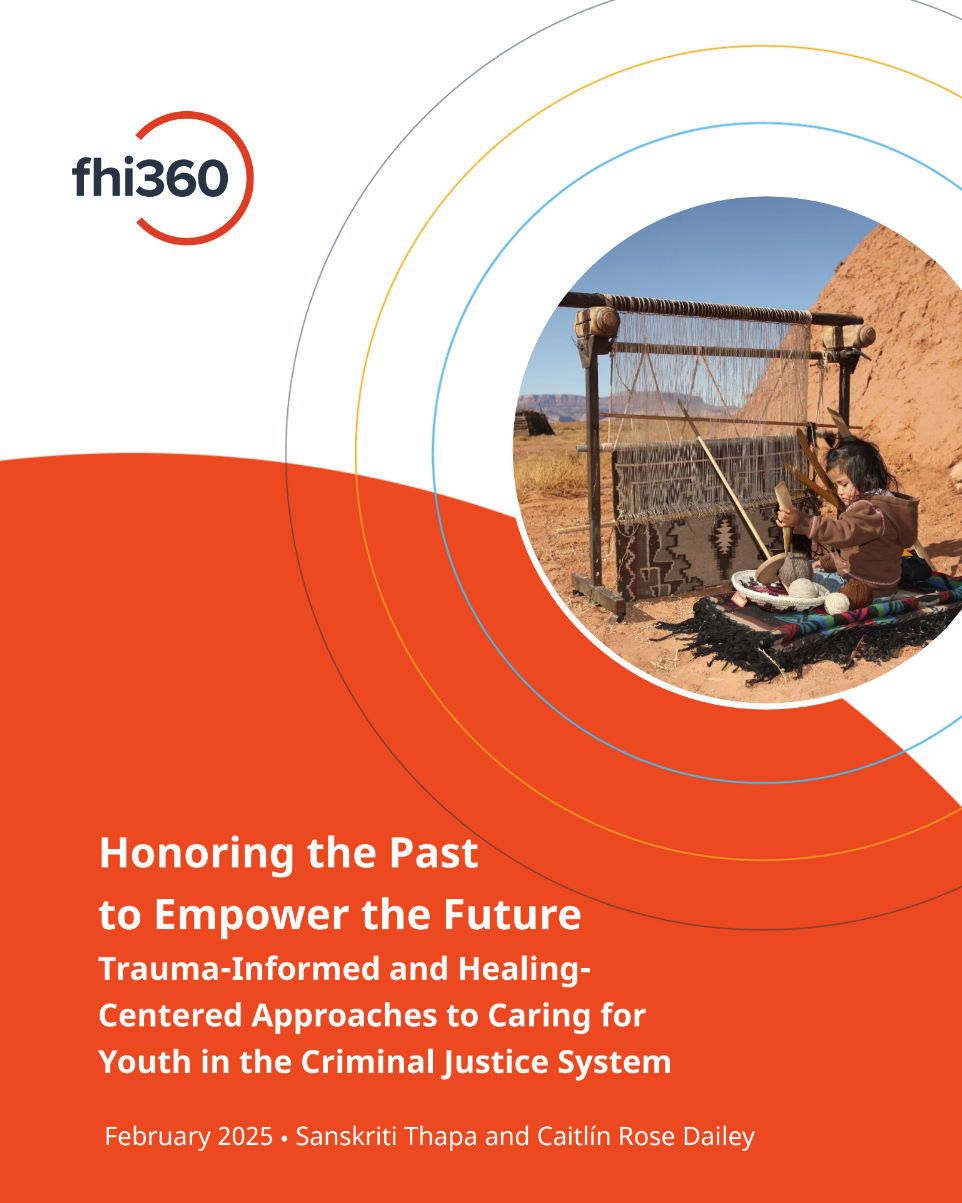
Honoring the Past to Empower the Future reviews the landscape of holistic and inclusive approaches to trauma-informed and healing-centered care for youth as implemented by tribal governments and organizations. Approaches that incorporate medicinal practices and cultural values, focus on the healing power of empathy, draw on the wisdom of elders and spiritual leaders, and embrace the rehabilitative potential of community engagement help to promote an environment of healing, recovery, and growth. Read the article to learn more.
Audience: Policy Leaders
Tribal Healing to Wellness Courts have emerged as a promising community-based, culturally competent solution to disproportionate Native incarceration in the United States, drawing on the community to appropriately address the needs of justice-involved Native Americans. This review examines the disparities in Native incarceration in federal and state systems, as well as how these disparities can be addressed, including the role of Tribal Healing to Wellness Courts in effectively improving outcomes for participants.
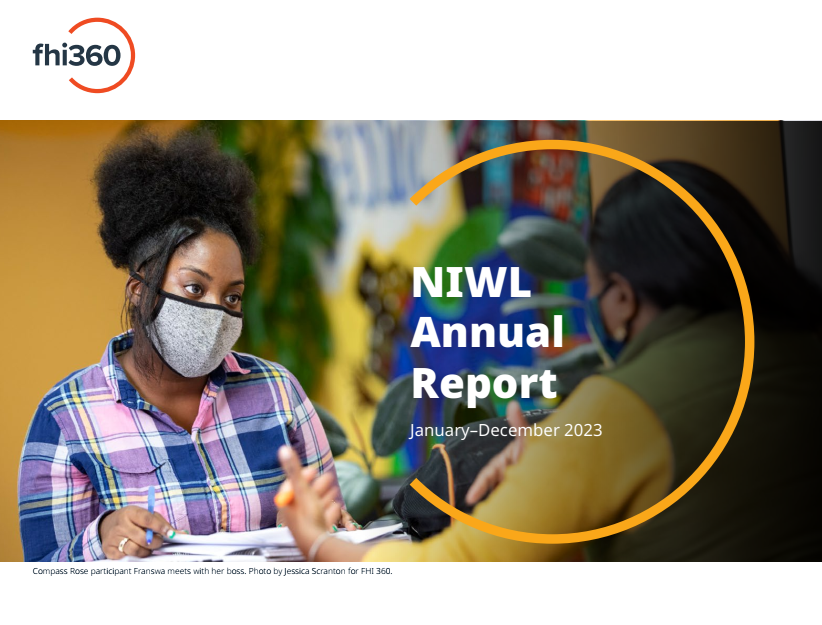
Our work in 2023 highlights our pivotal role as an intermediary organization. In fulfilling our mission to advance solutions in education and workforce systems, we focus on bringing people together, listening to our partners and local leadership, fostering networks of support and providing a comprehensive spectrum of services for learning and workforce development.
Read NIWL’s 2023 Annual Report to learn more about our work to strengthen our partners and forge connections so that we can all reach our fullest potential.
Just looking for the highlights? Check out our 2023 Infographic.
This fact sheet profiles the work of FHI 360’s National Institute for Work and Learning (NIWL), which focuses on two key drivers of individual well-being: education and employment.
FHI 360 has launched the Post-Release Employment Program (PREP) to fast-track participants from behind bars to employment within six weeks. Participants complete two-thirds or more of the employment training pre-release with expedited connection to employers upon graduation. PREP is designed to respond to the critical needs and challenges of individuals returning from jails or prison into their communities.
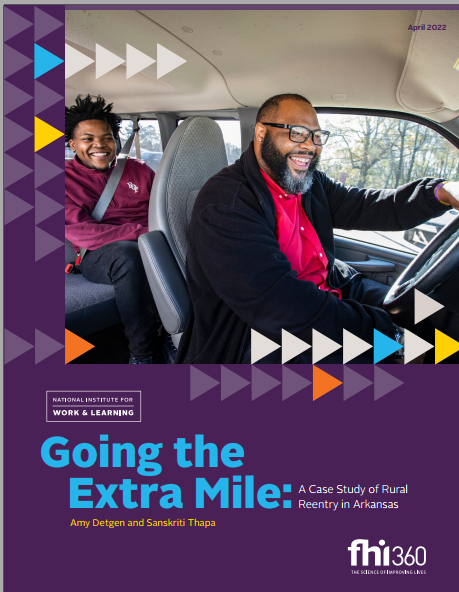
Going the extra mile: A case study of rural reentry in Arkansas provides an exploration of a rural community in southeast Arkansas that takes a unique, individualized approach to reentering young adults ages 18-24. The received wisdom on rural reentry is that it is generally more difficult than reentry in an urban setting. Phoenix Youth and Family Services, which serves a rural part of Arkansas, has excelled on key outcomes as part of FHI 360’s Compass Rose Collaborative (CRC)1, a project funded by the U.S. Department of Labor to improve the education and employment outcomes of young adults,
ages 18 through 24, after involvement in the U.S. criminal justice system.
Phoenix Youth and Family Services provides wraparound support services to its participants to help juveniles, young adults, and families secure a safe, healthy, and strong life
This highlights the work and success of NIWL programming in 2020.
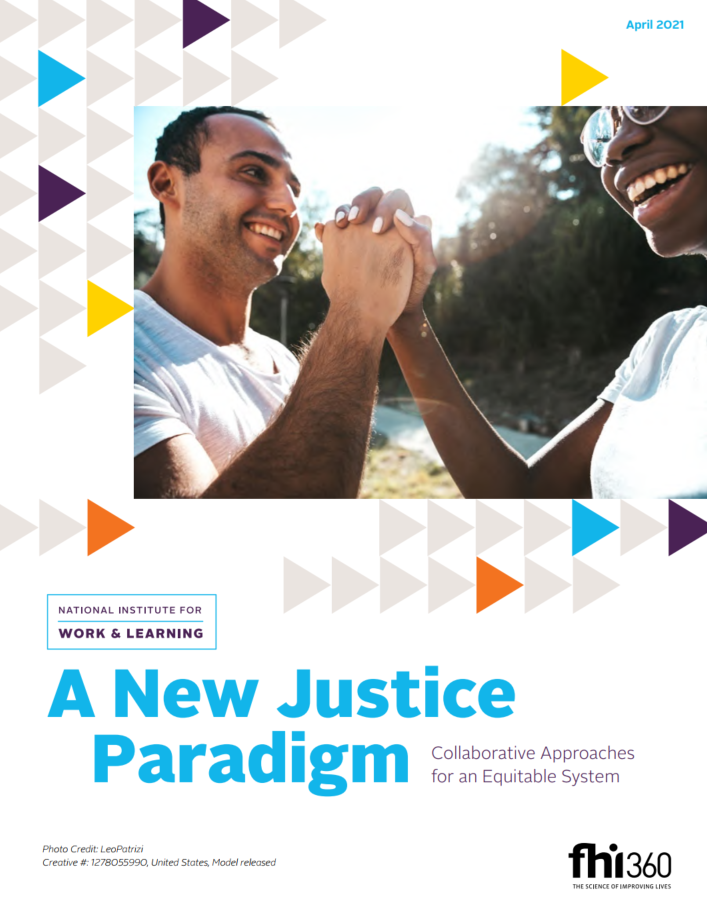
A New Justice Paradigm: Collaborative Approaches for an Equitable System, explores the justice system from the perspective of criminal justice practitioners and young adults aged 18 to 24 who have been impacted by the justice system. We take this approach both to understand better— at the ground level—the system that exists and to help imagine a more supportive, more efficacious, and more equitable alternative. Some of the striking elements of the current justice system include the overwhelmingly disproportionate representation of young Black males in the system and the tragedy of how trauma has affected their young lives. Institutional inflexibility, from first contact with law enforcement through incarceration, limits young people’s chances to break the cycle of poverty and to pursue work and learning opportunities that could enrich their lives and their communities.
The Future Workforce Now initiative developed an agenda for U.S. state policy leaders to prepare the workforce, addressing technological disruptions affecting current and future workers and workplaces.