
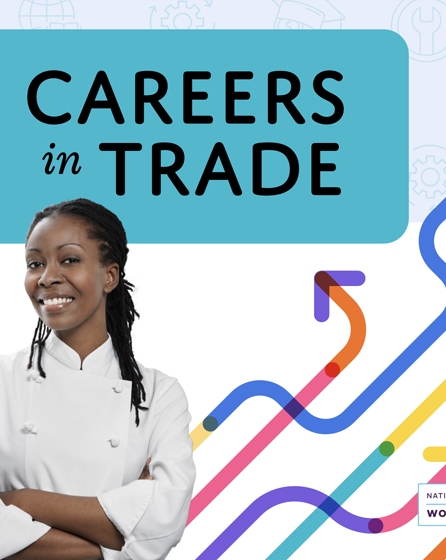
The Careers in Trade guide is an interactive tool that will guide you through numerous trade-related career pathways. You will be provided the opportunity to explore careers in trade, various certification options, an insight into the roles and responsibilities of multiple careers in trade, and connection activities bridging academics and trades.
Language: English
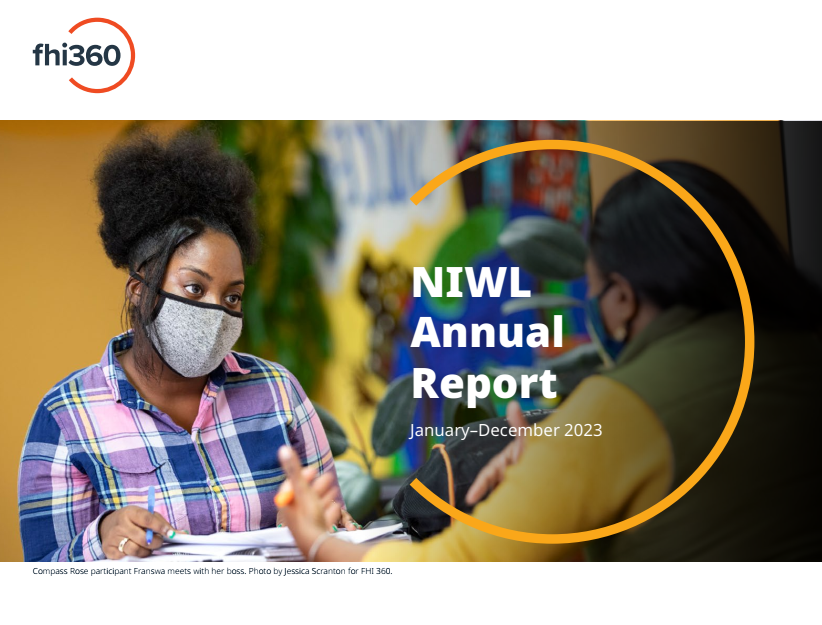
Our work in 2023 highlights our pivotal role as an intermediary organization. In fulfilling our mission to advance solutions in education and workforce systems, we focus on bringing people together, listening to our partners and local leadership, fostering networks of support and providing a comprehensive spectrum of services for learning and workforce development.
Read NIWL’s 2023 Annual Report to learn more about our work to strengthen our partners and forge connections so that we can all reach our fullest potential.
Just looking for the highlights? Check out our 2023 Infographic.
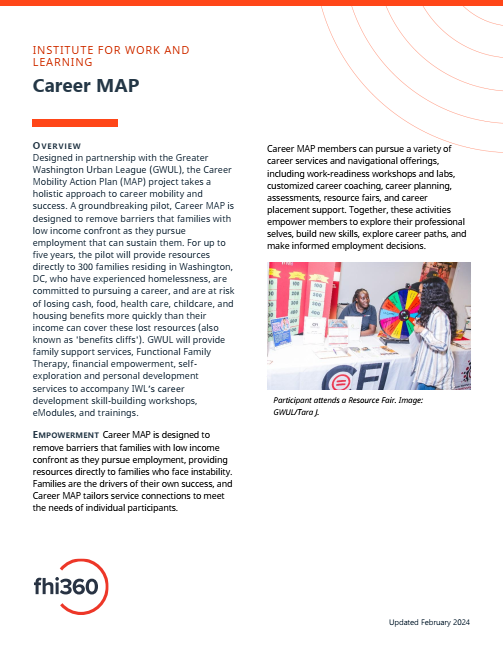
Designed in partnership with the Greater Washington Urban League (GWUL), the Career Mobility Action Plan (MAP) project takes a holistic approach to career mobility and success. A groundbreaking pilot, Career MAP is designed to remove barriers that families with low income confront as they pursue employment that can sustain them.
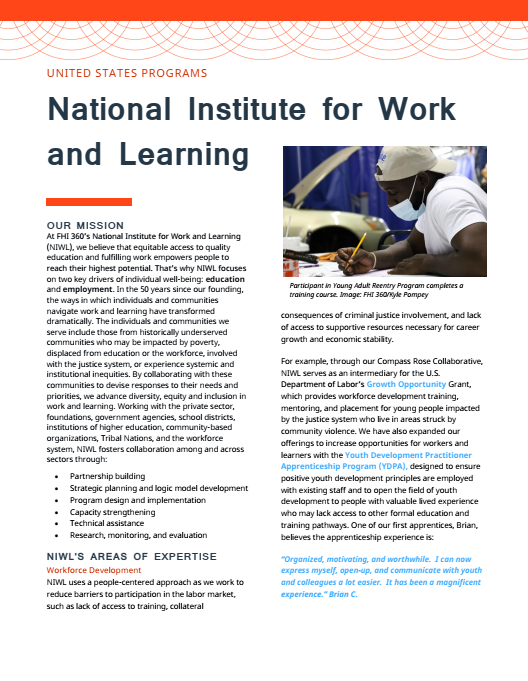
This fact sheet profiles the work of FHI 360’s National Institute for Work and Learning (NIWL), which focuses on two key drivers of individual well-being: education and employment.
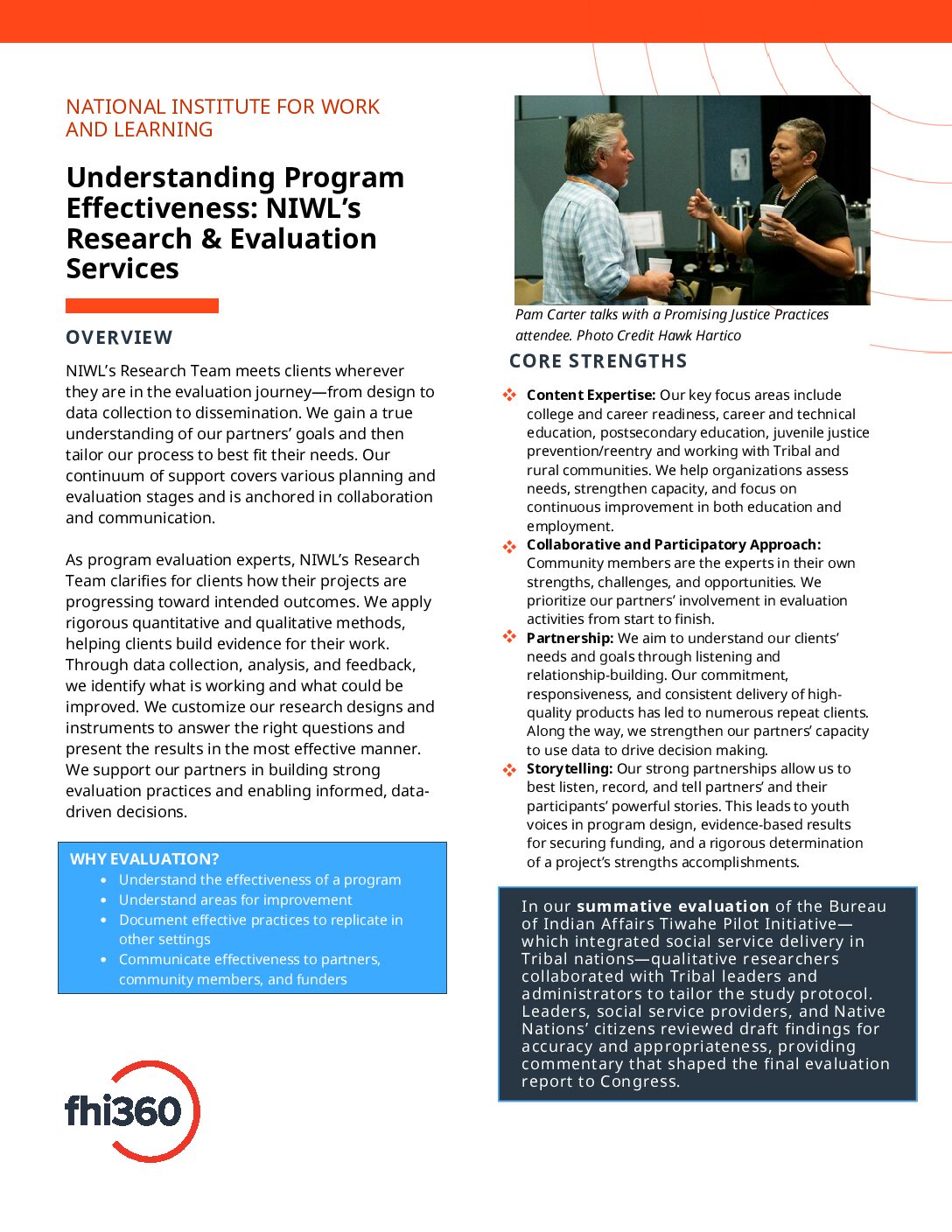
The National Institute for Work and Learning (NIWL) at FHI 360 conducts high-quality research and evaluation to inform policies, practices and program models in education, employment, social services, and community systems. Our expertise is cross-sectoral and interdisciplinary. Our approach combines methodological rigor with deep content knowledge and a commitment to collaboration.
Students try a variety of activities to learn about how the heart works, including seeing how much blood the heart pumps (and how fast!), measuring their pulses, learning which foods are heart-healthy, and seeing what happens when arteries get clogged. Find these activities and more on STEM2D.org.
This nursing career guide will help you determine what you can do in high school to prepare for a career in nursing, help you identify post-high school education options to become a nurse, explain the various types of nursing degrees that you can pursue, and provide you with a peek at the day-to-day responsibilities of a few nursing specialties.
The National Association of Colleges and Employers (NACE) has developed a list of 8 key career readiness competencies that individuals can use as guidelines to prepare for success in the world of work. A competency is the ability to do something successfully or efficiently. Being career ready means that you have these skills or core competencies and can apply them in real world work scenarios as you manage your career over time. Read Becoming Career Ready for a snapshot of each of these competencies and ways in which you can enhance and advance your development of each.
FHI360’s Youth Development Practitioner Apprenticeship program offers employers the opportunity to recruit and train employees while giving back to the community and filling their talent pipeline. YDPA targets both existing professionals and opens options for new professionals with lived experience in the communities they serve. Occupations include youth service intake counselors, outreach workers, or justice reentry case workers among others.
FHI 360 has launched the Post-Release Employment Program (PREP) to fast-track participants from behind bars to employment within six weeks. Participants complete two-thirds or more of the employment training pre-release with expedited connection to employers upon graduation. PREP is designed to respond to the critical needs and challenges of individuals returning from jails or prison into their communities.